

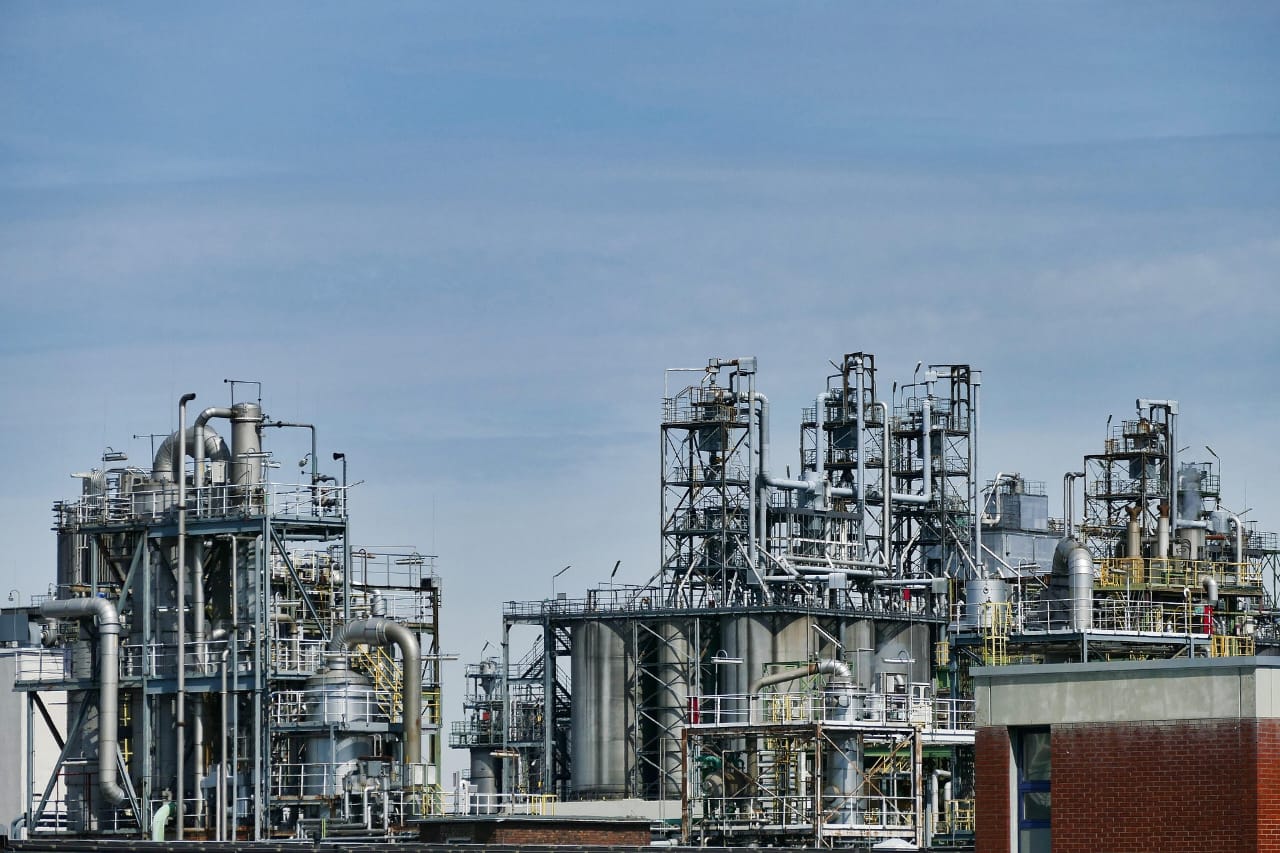
Ever since the discovery of oil in commercial quantities in the 1950s, successive governments after independence became nonchalant towards the development of alternative sectors in order to hedge against overdependence on oil.
Budget financing sources are majorly either oil revenue or borrowing. For example, projected financing for the 2026 appropriation has about 20% coming from oil income.
Considering the country’s population, the maximum amount that can be generated from oil given our daily output, and the infrastructural and other developmental needs of the country, income from oil should not account for such a large chunk of the budget if the economy had been properly managed and diversified before now.
Nigeria had thriving agricultural, textile, and manufacturing industries from the 1960s to the 1980s. However, when oil money came, attention shifted away from local industries. The importation of cheaper alternatives gradually helped to wind down these companies one after the other, and there have never been intentional moves by different governments to bring manufacturing back to life.
Oil-rich countries such as Indonesia and Brazil diversified their economies, and they have well-functioning manufacturing industries despite their natural resource wealth.
There are numerous benefits that come with having a diversified economy. One of them is the ability to withstand shocks, especially global shocks within a particular industry. Nigeria’s budget each year relies heavily on oil, and we always have to peg a projected oil price for the year.
Crises like what we are currently witnessing in the Middle East may temporarily benefit Nigeria because oil prices rise above expected levels, with Nigeria serving as an alternative source of supply. However, there are also periods when oil prices can fall drastically.
Manufacturing will never become old-fashioned; it remains one of the surest bets of this century. There is a need for Nigeria to put in place the infrastructure and systems that can revive the manufacturing sector.
FINAL THOUGHT
A nation that depends largely on one commodity for survival exposes itself to economic instability. Sustainable growth can only come through diversification, productivity, industrialization, and long-term economic planning.
MACRO DIALOGUE
Do you think the Nigerian government in recent times has been up to the task of reviving manufacturing or modernizing agriculture as the fastest path to economic diversification?
AKINSULERE’S ECONOMIC NOTES
Leave a Reply