

The answer is Yes… and No.
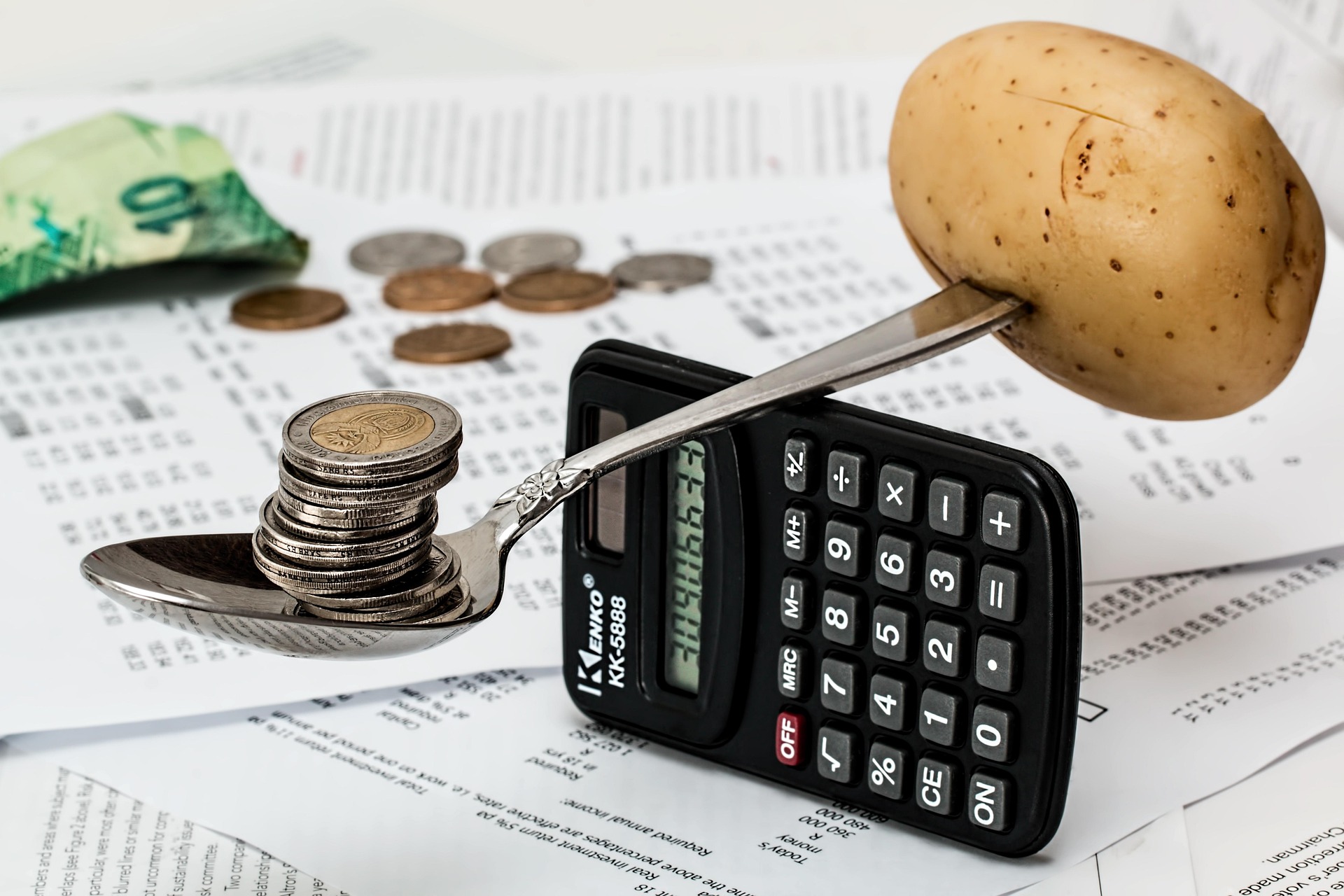
Inflation is simply the persistent increase in the general price level of goods and services. When the price of an item you bought yesterday increases today, inflation has occurred.
But what actually causes it, and is it always a negative indicator? Let’s break it down, specifically looking at the Nigerian context.
THE CAUSES :
- Increased cost of raw materials: Often due to currency depreciation, making imported materials expensive.
My take: This is one of the major causes of inflation in Nigeria today. - Increase in money supply: More money chasing fewer goods, usually when governments print money or reduce interest rates.
My take: Between 2015-2023, ₦22.7 trillion to ₦30 trillion was printed. This likely contributed heavily to our current inflation because the printing was not matched with real economic activities.
IS THIS ALWAYS BAD?
No. Moderate inflation signals a healthy, growing economy. If it leads to increased demand, it can create employment in the short run.
My take: This isn’t applicable to Nigeria right now. Our inflation is largely cost-push, meaning we need stable, moderate rates, not demand-driven spikes.
Yes. When inflation continuously rises, purchasing power declines. Income doesn’t match price hikes, leading to unpredictability. Manufacturers may shut down as production costs soar, leading to unemployment and rendering economic policies ineffective.
THE SOLUTIONS:
How do we fix this?
For inflation driven by FX fluctuations, import dependency, and fuel prices, we must:
- Align Policies: Monetary (CBN) and Fiscal (Finance Ministry) policies must work towards the exact same goal. One cannot tighten while the other loosens.
- Improve Agriculture, Manufacturing & Value Addition: Processing crops and minerals locally improves FX earnings, strengthens the Naira, and reduces imported inflation.
- Invest in Infrastructure: Prioritize power and rail to drastically cut the cost of moving goods compared to expensive road transport.
- Increase Refinery Licenses: Encourage competition to drive down fuel prices.
- Promote the Naira: Prioritize local currency for local transactions to reduce foreign currency demand.
- Ensure Fiscal Discipline & Support SMEs: Government spending must be efficient, and SMEs need the infrastructure to thrive long-term.
FINAL THOUGHT:
Inflation in Nigeria is structural and multilayered; without structural reforms, monetary and fiscal policies alone will have limited effectiveness.
What is your take on the current alignment of our monetary and fiscal policies? Let’s discuss in the comment. 👇
Akinsulere’s Economic Notes
Leave a Reply